

Introduction: The Mechanical Muse of Modern Gambling
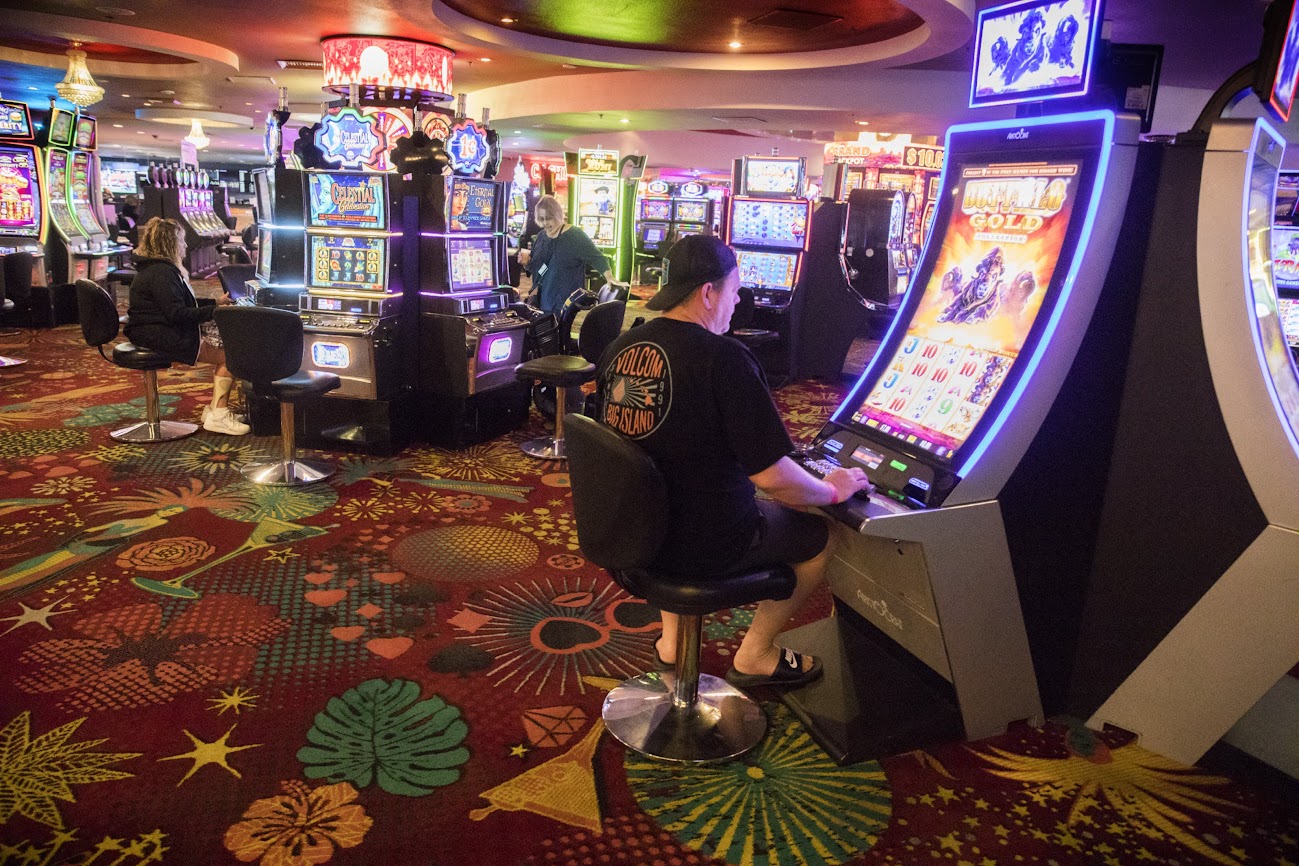
Slot machines, with their colorful lights, enticing sounds, and hypnotic reels, have long been the unsung stars of the casino floor. Often dismissed as games of pure chance, they are, in truth, intricately designed experiences—masterpieces of engineering and psychology wrapped in flashing lights and spinning symbols. From their humble beginnings as mechanical contraptions in saloons to the high-tech, algorithm-driven video slots of today, slot machines have not only evolved in form but deepened their grip on the collective psyche of gamblers around the world. They are the quiet lures, the steady earners, and for many, the face of modern gaming.
The Birth of the Slot Machine: Simplicity Meets Genius
The first true slot machine, the Liberty Bell, was invented by Charles Fey in San Francisco in the late 19th century. It featured three spinning reels and five symbols: horseshoes, stars, spades, hearts, and the now-iconic cracked Liberty Bell. A jackpot was awarded when three bells aligned—a payout of 50 cents.
Fey’s invention was revolutionary. Unlike table games that required a dealer or multiple players, his machine allowed for solo, uninterrupted play, offering immediate feedback and the tantalizing chance at a reward. It was mechanical, straightforward, and highly addictive. The template he established remains the foundation of slots today, even as they’ve transitioned into digital platforms and virtual interfaces.
The Modern Slot: A Blend of Art, Algorithm, and Psychology
Today’s slot machines are nothing short of digital marvels. Powered by Random Number Generators (RNGs) and encased in sleek, multimedia displays, modern slots offer an immersive gaming experience. Themes range from ancient mythology to blockbuster movies, often paired with complex bonus features and interactive storylines.
Key Features of Modern Slot Machines:
-
Reels and Paylines: Traditional slots had three reels and a single payline; now, five-reel and multi-payline games are the norm, offering hundreds or even thousands of potential winning combinations
-
Wilds and Scatters: Special symbols that unlock features such as free spins, multipliers, or bonus rounds
-
Progressive Jackpots: Linked machines where a portion of each bet contributes to a growing jackpot that can reach life-changing amounts
-
Return to Player (RTP) and Volatility: These statistics help players understand the average payout over time and how frequently (or rarely) wins may occur
While the outcome of every spin remains random, the experience is carefully curated. Animations, sound effects, win celebrations, and near-misses are all meticulously designed to keep players engaged.
Why Slot Machines Endure: The Psychology of the Spin
Unlike games that require skill, strategy, or social interaction, slot machines provide a purely individual experience. This makes them uniquely appealing to a wide audience, from casual players to regular gamblers.
1. The Illusion of Control
Despite their random nature, slots offer players the ability to choose bet sizes, activate bonus features, or select paylines. This illusion of control keeps engagement high, even though outcomes are unaffected by player decisions.
2. Near-Miss Phenomenon
A near-miss—where two jackpot symbols land with a third just shy of the winning position—triggers the brain’s reward system. It feels like a loss that’s close to a win, spurring players to continue in pursuit of that elusive combination.
3. Variable Reward Schedule
Slot machines operate on an intermittent reinforcement schedule—the same model used in behavioral psychology to reinforce habits. Wins come unpredictably, and that randomness creates a powerful compulsion to keep spinning.
4. Sensory Immersion
The flashing lights, rhythmic sounds, and tactile feedback create a sensory loop that immerses players. The environment becomes both soothing and stimulating—a paradox that slot designers use to keep players in the zone.
Slot Machines and the Business of Gaming
From a casino’s perspective, slot machines are not just entertainment—they’re the backbone of profitability. In most major gaming establishments, slots account for 70–80% of total gaming revenue. Unlike table games that require staff and floor space, slots offer scalability, efficiency, and a consistent return on investment.
Why Casinos Love Slots:
-
Low Operating Cost: One-time installation and minimal maintenance compared to staffing poker or blackjack tables
-
High Player Turnover: Slots allow for rapid play, meaning more spins per hour and greater revenue potential
-
Appeal Across Demographics: Easy to learn, instantly engaging, and accessible to both novices and veterans
Online casinos have further magnified the dominance of slots. Virtual slots offer endless variety, real-time jackpots, and innovative gameplay, often accessible 24/7 from mobile devices.
Ethical Considerations: The Line Between Fun and Addiction
While slot machines are legal and widely accepted, their design raises ethical questions. Their ability to induce a state of “loss of time awareness,” often referred to as the “slot trance,” can lead to extended play sessions, financial losses, and compulsive behavior.
Risks Associated with Slot Play:
-
Addiction and Problem Gambling: Fast-paced and immersive, slots are particularly addictive for vulnerable individuals
-
Monetary Losses: Because slots operate on microtransactions, losses can accumulate before players are even aware of them
-
False Perceptions: Players often misinterpret near-misses or bonus rounds as signs of imminent success, when in fact each spin is statistically independent
To mitigate these risks, responsible gaming initiatives have emerged. Features like session limits, loss caps, and reality checks are becoming more common, both in physical and digital casinos. However, much still depends on the self-awareness and discipline of the player.
Tips for Responsible Slot Machine Play:
-
Set a Budget: Decide on a fixed amount before you begin and stick to it
-
Know the RTP: Choose machines with higher Return to Player percentages
-
Avoid Chasing Losses: Treat losses as part of the experience—not as debts to recover
-
Take Breaks: Step away regularly to maintain clarity and perspective
Conclusion: The Elegance of Simplicity
Slot machines represent a fascinating paradox: games built entirely on randomness that nonetheless evoke powerful feelings of anticipation, reward, and control. They’re simple yet sophisticated, solitary yet social, mechanical yet emotional. Whether one plays for entertainment or dreams of a life-changing win, the slot machine remains a central symbol in the world of gaming.
As with all forms of gambling, the key lies in intention. When played mindfully, slots can offer moments of delight, a bit of harmless risk, and the occasional thrill of fortune. But behind the flashing lights and cheerful chimes, they remind us of a fundamental truth—that chance, like life, is unpredictable, and often, that’s what makes it beautiful.