
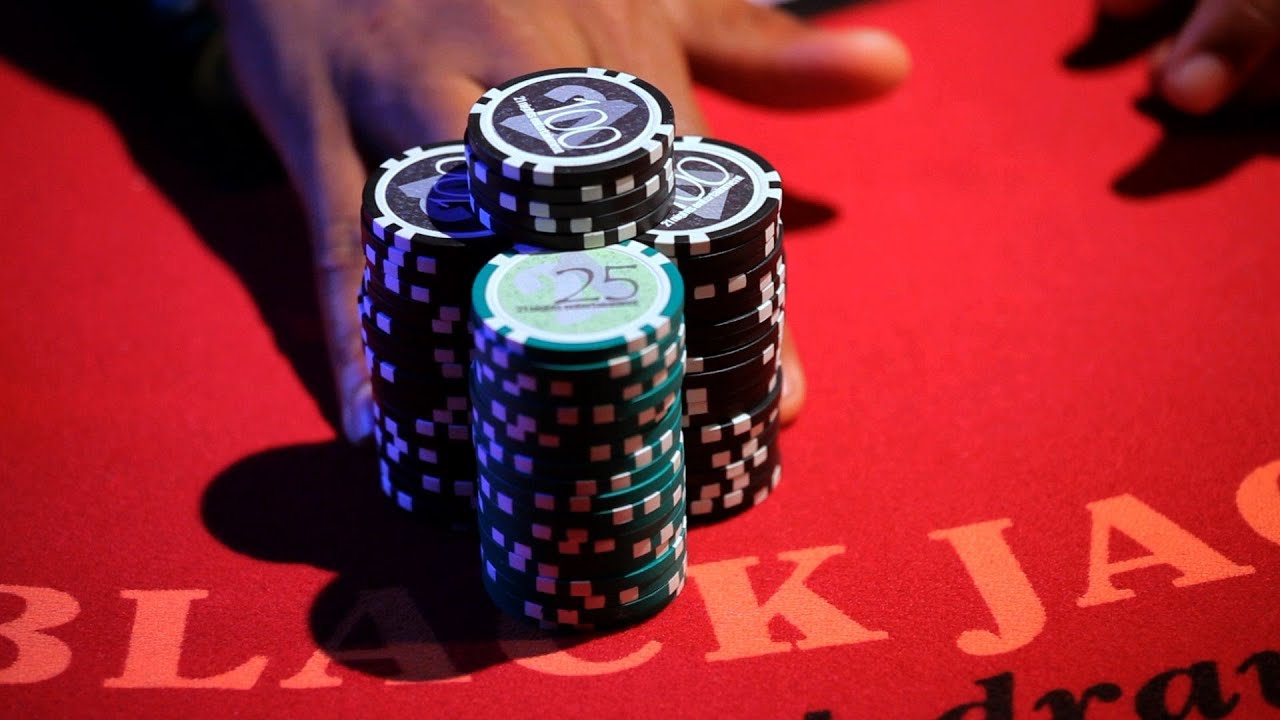

Introduction: The Enduring Charm of a Casino Classic
When one steps onto the plush carpet of any grand casino, the distinctive clink of chips and the gentle murmur of hushed calculations often lead to a single table—Blackjack. More than mere chance, Blackjack has endured for centuries as a game of quick wits and subtle mathematics. Unlike the mindless spin of a roulette wheel or the purely mechanical pull of a slot machine, Blackjack invites its players to engage, strategize, and dare to believe they can outsmart the house.
A Brief History: From French Courts to Las Vegas Lights
Blackjack’s roots stretch deep into the gambling halls of 18th-century France, where it was known as “Vingt-et-Un” or “Twenty-One.” The game traversed oceans and cultures, evolving with each new era. Early American gamblers shaped its modern form, adding the now iconic payout for a natural Blackjack—an Ace and a face card—thus coining its present name. Its enduring popularity can be credited to its elegant simplicity: reach twenty-one without exceeding it and do so before the dealer does.
Understanding the Basics: A Game of Simple Rules and Complex Decisions
At its heart, Blackjack is disarmingly simple. Players are dealt two cards face up, while the dealer receives one card face up and another face down—the infamous “hole card.” The objective is clear: accumulate a hand closer to twenty-one than the dealer’s, without “busting” (exceeding twenty-one).
-
Card Values
-
Number cards are worth their face value.
-
Face cards (Jack, Queen, King) are worth ten.
-
Aces are fluid, worth either one or eleven, depending on which value best suits the hand.
-
Players may choose to “hit” (take another card) or “stand” (keep their current hand). There are strategic options too—“double down,” “split,” or even “surrender”—each adding a layer of sophistication that sets Blackjack apart from other table games.
The Subtlety of Strategy: Playing Against the Odds
Many novice players approach Blackjack armed with nothing but hope and luck. Seasoned players, however, know the true secret: Blackjack is not purely a game of chance—it is a dance with probability.
Basic Strategy
The bedrock of any competent player’s arsenal is the basic strategy chart—a table that outlines the statistically optimal decision for every possible hand combination. It considers the player’s total and the dealer’s visible card. Mastering it dramatically improves the odds, shrinking the house edge to as little as 0.5%.
Card Counting: The Legendary Edge
For decades, card counting has fascinated Blackjack enthusiasts and terrified casino owners. Immortalized by pop culture and Hollywood, this technique involves tracking the ratio of high to low cards remaining in the deck. When the deck is rich in tens and Aces, the odds tip in favor of the player. Though perfectly legal, casinos frown upon counters and have their own arsenal of countermeasures.
Common Myths and Misconceptions
Despite its relative simplicity, Blackjack is riddled with myths that can sabotage even the most earnest player.
-
“Never hit on sixteen.” Sometimes, hitting is statistically the only sensible option—depending on the dealer’s card.
-
“Always assume the dealer has a ten.” While it helps in conservative play, this heuristic can mislead if taken as gospel.
-
“It’s all luck.” Unlike many other casino games, Blackjack rewards knowledge, discipline, and nerve.
Blackjack Etiquette: The Unwritten Rules
For all its calculated edges, Blackjack is also a social game. Players share a table, often experiencing shared triumphs and disappointments. Knowing the etiquette elevates the experience for everyone.
-
Never blame other players. Poor hands happen. It is not your neighbor’s fault for hitting or standing.
-
Handle your cards properly. In hand-held games, use only one hand and keep the cards above the table.
-
Signal your decisions. Use clear hand gestures for hit, stand, or double down. It minimizes confusion and protects all parties.
Online Blackjack: The Digital Evolution
In recent decades, Blackjack has seamlessly transitioned to the online world. Players can test their skill at virtual tables, enjoy live dealer streams, or even join tournaments from the comfort of their homes. While the charm of a real casino is irreplaceable, the digital age has made Blackjack more accessible than ever.
Why Blackjack Endures: The Intellectual Thrill
Perhaps the true magic of Blackjack lies in its balance of simplicity and depth. It offers a rare promise in the gambling world—control. Players feel they can exert real influence over the outcome through skill and decision-making. Each hand is a fresh puzzle, each session a test of discipline. The allure is timeless, drawing in casual vacationers and hardened pros alike.
Tips for Aspiring Players
-
Learn Basic Strategy. Memorize the chart—it’s worth it.
-
Manage Your Bankroll. Set limits and never chase losses.
-
Practice Self-Discipline. Emotional decisions are costly.
-
Avoid Insurance Bets. Statistically, they favor the house.
-
Play at Tables with Favorable Rules. Fewer decks, dealer stands on soft seventeen—these small details matter.
Conclusion: A Classic Game for Modern Minds
Blackjack is far more than a table game; it is a subtle contest of nerve, probability, and finesse. In its simple quest to beat the dealer, Blackjack offers the promise of mastery—an intoxicating idea that skill can triumph over chance, if only for a fleeting moment across the green felt. So whether you’re sitting at a neon-lit Vegas table or tapping your screen at home, know this: every dealt card is a fresh chance to play smarter, bet wisely, and perhaps, just perhaps, beat the house at its own game.